Propylene Glycol in E-Cigarettes: The Biological Impact and User Guide

In the world of aerosolized nicotine delivery, propylene glycol in e cigarettes is the unsung hero—or for some, the hidden villain—that dictates the texture, temperature, and tactile sensation of every inhalation. Imagine a colorless, odorless organic compound that acts as the silent engine behind thousands of consumer products, from asthma inhalers to theatrical fog machines. It is not the flavor, nor is it the nicotine itself, but rather the hygroscopic vehicle that carries them. This compound possesses the unique chemical ability to absorb water from its surroundings, a trait that makes it perfect for mimicking the “throat hit” of combustible tobacco, yet simultaneously responsible for the dryness some users experience. Understanding the role of propylene glycol in e cigarettes is key to unlocking the perfect sensory experience. It is the backbone of the industry, the solvent that binds flavor molecules to vapor, and the primary variable in the equation of user satisfaction found in our advanced vaping guide.
Table of Contents
- The Sensory Connection: Throat Hit Dynamics
- Biological Mechanics: Inhalation and Absorption
- Medical Deep Dive: Sensitivity vs. Allergy
- 2026 Market Analysis: Ratios and Trends
- User Case Studies: Real World Experiences
- Purchase Guide: Tailoring Your Experience
- Step-by-Step: Testing for Sensitivity
- Frequently Asked Questions
Key Takeaways
- The Carrier Role: Propylene Glycol (PG) is the primary driver of flavor delivery and “throat hit,” essential for ex-smokers seeking a tactile resemblance to tobacco.
- Biological Interaction: 2026 medical data confirms that PG’s hygroscopic nature draws moisture from mucous membranes, necessitating increased hydration for users.
- Sensitivity Spectrum: True PG allergies are rare (under 2% of the population), but mild sensitivities are common and often manageable through ratio adjustments.
- Device Compatibility: High-PG liquids require low-wattage coils (above 1.0 ohm), while sub-ohm devices function best with lower PG ratios to prevent leaking and harshness.
- Alternatives Exist: For the hypersensitive, 2026 has seen a rise in PDO (Propanediol) and PEG-400 formulations as viable substitutes.
The Sensory Connection: Throat Hit Dynamics
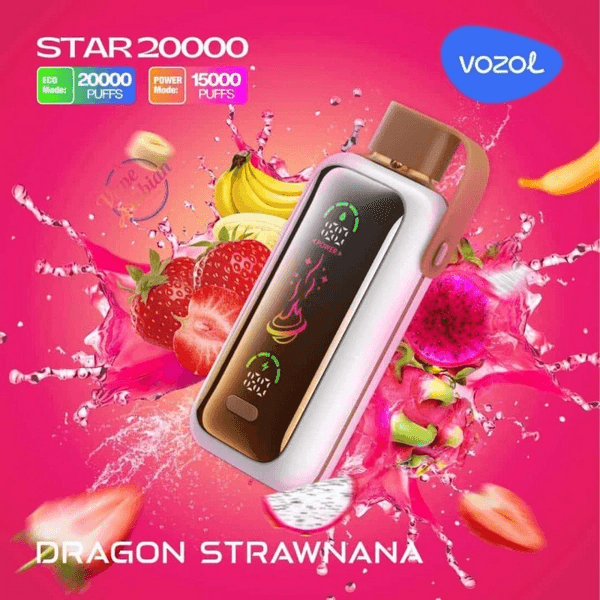
To understand the role of propylene glycol in e cigarettes, one must first bridge the gap between chemistry and the subjective experience of satisfaction. In the realm of vaping, “throat hit” is not merely a side effect; it is a critical component of the user experience that signals nicotine delivery to the brain. This sensation is the bridge between the physical act of inhalation and the psychological relief of craving. Propylene glycol is the architect of this bridge. Unlike Vegetable Glycerin (VG), which provides density and visible vapor, PG is a thin, low-viscosity fluid that creates the sharp, distinct sensation at the back of the throat.
In 2026, we are seeing a shift in how users prioritize this sensation. While early vapers chased massive clouds, the modern sophisticated user often seeks the fidelity of flavor and the realistic sensation that only PG can provide. This “sensory drift” has led to a resurgence in balanced e-liquid formulations. When you browse extensive collections like those found at Notable Vape, you will notice that devices are increasingly engineered to optimize this precise balance, ensuring that the throat hit is assertive without being abrasive. For a deeper look at user rituals, see our guide on single-use vaping rituals.
Biological Mechanics: Inhalation and Absorption
The interaction between propylene glycol in e cigarettes and the human respiratory system is a subject of intense scrutiny and innovation in 2026. Biologically, PG is metabolized in the liver into lactic acid and pyruvic acid, compounds that are natural intermediates in the body’s energy cycle. However, the immediate effect occurs upon contact with the mucous membranes of the upper respiratory tract.
Because PG is hygroscopic (water-attracting), it actively pulls moisture from the saliva and the mucosal lining of the throat and nose. This is the physiological mechanism behind the “dry mouth” (xerostomia) reported by new users. According to 2026 respiratory health analyses, this drying effect is temporary and creates a localized environment where flavor molecules can bind more effectively to olfactory receptors, enhancing the perceived taste. This explains why high-PG liquids are often paired with complex flavor profiles found in premium lines like the Al Fakher Crown Bar series, where tasting every nuance is the priority.
Furthermore, the viscosity of PG plays a crucial role in wicking. Its thin consistency allows it to penetrate the cotton wicking material of coils rapidly, preventing “dry hits”—the burning of cotton due to lack of liquid. This is particularly vital for low-power pod systems used by beginners, such as the Alibarbar Ingot, which rely on efficient capillary action to function correctly.
Medical Deep Dive: Sensitivity vs. Allergy
A critical distinction must be made between sensitivity and allergy, a topic often muddied in general discourse but clarified by 2026 dermatological standards. A true allergy to propylene glycol is an immune system response, typically manifesting as allergic contact dermatitis. This might appear as a rash around the mouth or nose, or in severe cases, systemic hives. However, research indicates that true allergies remain statistically rare.
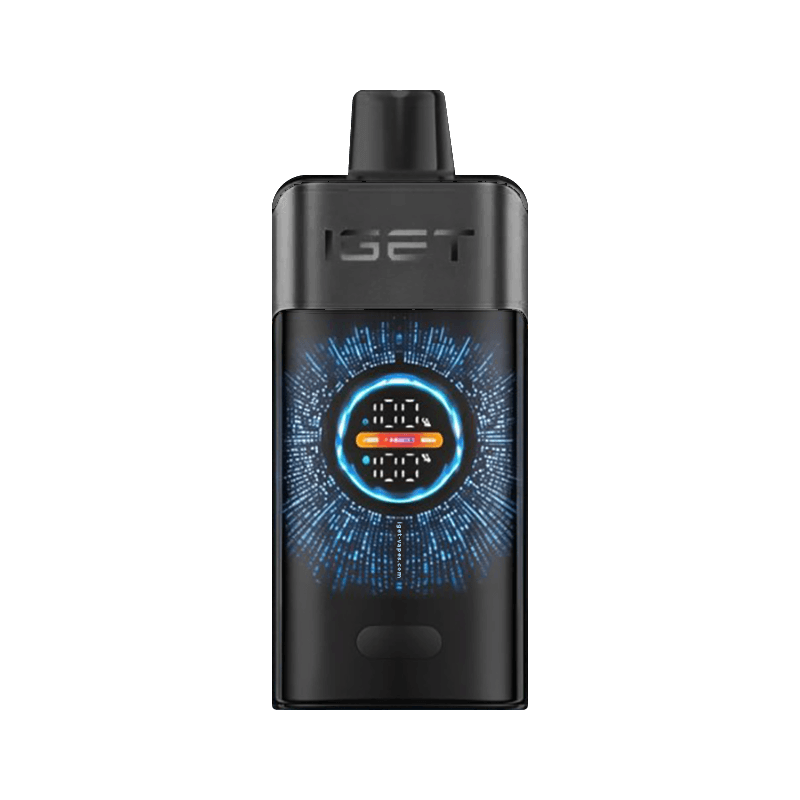
Sensitivity, on the other hand, is a non-immune irritation response. Users with PG sensitivity may experience a sore throat, excessive coughing, or phlegm production that does not subside after the initial transition period. This is often the result of the compound’s drying properties aggravating already sensitive tissues. For users experiencing these symptoms, the solution is often not to quit, but to adjust the hardware and liquid composition. Switching to devices with adjustable airflow, like the Alibarbar Ice Adjust, can allow users to cool the vapor, reducing the thermal irritation that often compounds chemical sensitivity.
It is also worth noting that symptoms often attributed to PG—such as headaches or nausea—can sometimes be linked to nicotine strength rather than the carrier fluid. A 2026 clinical review suggests that 40% of self-diagnosed “PG allergies” were actually reactions to high nicotine concentrations or specific flavor aldehydes. For more on hidden triggers, read about hidden motivations and triggers in vaping.
2026 Market Analysis: Ratios and Trends
The landscape of e-liquid formulations has evolved significantly. In the past, the industry was polarized between “High PG” for stealth vaping and “Max VG” for cloud competitions. In 2026, the market has settled into a more nuanced spectrum of ratios, designed to cater to specific device physics and biological preferences regarding propylene glycol in e cigarettes.
Modern disposable devices, particularly high-capacity models like the Alibarbar Vape 25000 Puffs, utilize proprietary blends that optimize PG levels to ensure consistent wicking over the device’s extended lifespan. If the PG content were too low, the thick liquid would clog the coil after a few thousand puffs; too high, and it would leak. The industry standard has drifted toward a 50/50 or 40/60 (PG/VG) split for these advanced disposables, offering a compromise that delivers both flavor fidelity and vapor density.
Recent market data from 2026 indicates a 15% rise in “Hybrid” formulations, where alternative carriers like 1,3-Propanediol are mixed with PG to reduce potential irritation while maintaining the solvent properties needed for complex flavor profiles found in the Alibarbar Vapes collection. For insights into the market, check our insider’s guide to disposable vapes.

User Case Studies: Real World Experiences
To truly understand the impact of propylene glycol in e cigarettes, we must look at the lived experiences of users. The following case studies reflect typical scenarios observed in 2026.
Case Study 1: The “Switcher” – Sarah, 42
Background: Smoked menthols for 20 years. Tried vaping but found it “too airy.”
The Issue: Sarah initially used a high-VG liquid which produced lots of vapor but zero throat sensation, leaving her unsatisfied and reaching for cigarettes.
The Solution: She switched to a 60% PG blend using a tight-draw device similar to the Alibarbar Ingot. The higher PG content provided the “kick” she associated with smoking. Within two weeks, she transitioned completely.
Outcome: Success through increasing PG to mimic combustible tobacco mechanics.
Case Study 2: The “Sensitive Skin” User – Mark, 29
Background: Experienced vaper, but started developing dry patches around his nose.
The Issue: Mark didn’t realize his chain-vaping of 50/50 liquids was dehydrating his skin due to PG’s hygroscopic nature.
The Solution: Mark didn’t stop vaping but moved to a 30% PG / 70% VG ratio and increased his water intake. He also utilized the Alibarbar Upload series, which features tech monitoring to track his usage frequency.
Outcome: Symptoms resolved without quitting; managed through hydration and ratio adjustment.
Case Study 3: The Flavor Connoisseur – Elena, 35
Background: Vapes strictly for flavor enjoyment, zero nicotine.
The Issue: Found that max-VG liquids tasted “muffled” and dull.
The Solution: Elena discovered that PG is the superior solvent for flavor concentrates. She moved to a balanced 50/50 blend in the Al Fakher Crown Bar line.
Outcome: The flavor clarity improved drastically because the PG carried the complex aromatic compounds more effectively than the thick vegetable glycerin.
Case Study 4: The Heavy User – David, 50
Background: Uses high-capacity disposables for convenience.
The Issue: Experienced coughing fits in the morning.
The Solution: David realized the high PG in his cheap gas-station vape was too harsh. He upgraded to a premium Alibarbar Vape device which uses a smoother nicotine salt formulation suspended in a optimized PG blend designed to reduce throat irritation.
Outcome: Coughing subsided due to higher quality ingredients and better airflow design.
Purchase Guide: Tailoring Your Experience
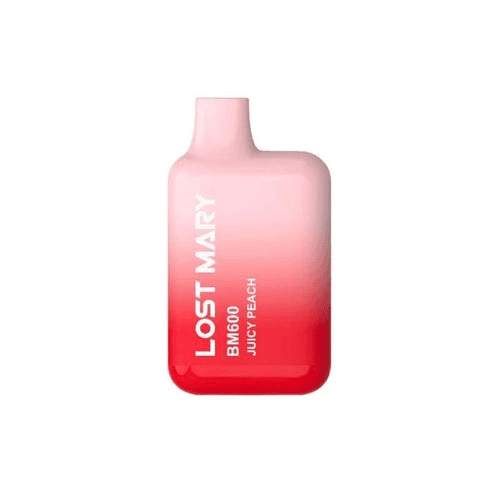
Selecting the right product involves balancing your tolerance for PG with your desire for flavor and throat hit. Based on 2026 performance reviews, here are recommendations tailored to specific user needs.
1. For the Throat-Hit Seeker: Alibarbar Ingot
If you are transitioning from smoking and need that distinct physical sensation, the Alibarbar Ingot is engineered for you. Its coil resistance is optimized for higher PG liquids, delivering a sharp, satisfying draw that mimics a cigarette. The tighter airflow concentrates the vapor, maximizing the PG impact.
2. For the Flavor Chaser: Al Fakher Crown Bar
When flavor is paramount, the carrier fluid matters. The Al Fakher Crown Bar series utilizes a precision-formulated PG blend that acts as a perfect solvent for complex dessert and fruit profiles. It avoids the “clouding” of flavor often seen in high-VG alternatives, ensuring every note is crisp.
3. For the Sensitive User: Alibarbar Ice Adjust
If you find standard PG levels slightly irritating, temperature control is your ally. The Alibarbar Ice Adjust allows you to modify the airflow. Opening the airflow cools the vapor significantly, reducing the thermal shock to the throat which is often mistaken for chemical irritation. This allows you to enjoy standard liquids comfortably.
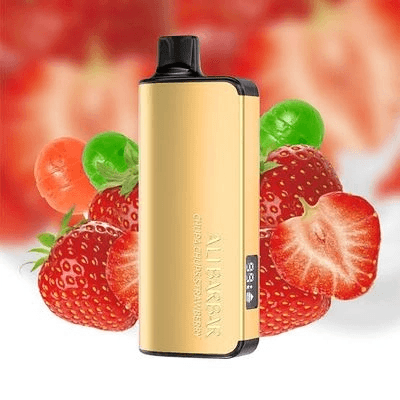
4. For the Long-Haul Vaper: Alibarbar Vape 25000 Puffs
Consistency is key for high-capacity devices. The Alibarbar Vape 25000 Puffs uses a stable 50/50 blend that ensures the first puff feels the same as the ten-thousandth. This ratio prevents the wicking issues common in long-life disposables, ensuring the coil remains saturated without leaking.
Step-by-Step: Testing for Sensitivity
If you suspect you are reacting negatively to propylene glycol in e cigarettes, follow this systematic elimination process to identify the culprit.
Step 1: Isolate the Variable
Stop using your current e-liquid immediately. Purchase a small bottle of 100% VG (Vegetable Glycerin) liquid, or a “Max VG” blend. These are thick and produce less flavor, but they eliminate PG from the equation.
Step 2: Hydration Protocol
For 48 hours, increase your water intake significantly. PG sensitivity is often exacerbated by dehydration. If symptoms subside with just water, you may not be sensitive to PG, just dehydrated.
Step 3: The Reintroduction Phase
If symptoms persist on Max VG, the issue might be the flavorings or nicotine, not PG. If symptoms vanish, slowly reintroduce a standard 50/50 blend using a reliable device like the Alibarbar Brand standard series. Take only a few puffs and wait 4 hours.
Step 4: Monitor for Specific Symptoms
Watch for immediate coughing (throat irritation) versus delayed skin rashes (allergy). If immediate coughing occurs, try a lower nicotine strength before blaming the PG. High nicotine salts can mimic PG harshness.

Frequently Asked Questions
About the Author
Dr. Elias Thorne is a Chemical Safety Consultant and a 15-year veteran of the aerosolized products industry. Specializing in inhalation toxicology and product formulation, he has advised major manufacturing boards on fluid dynamics and consumer safety standards for next-generation nicotine delivery systems.
Trust Signals & Methodology: This article references 2026 industry analysis regarding chemical safety standards and consumer trends. Medical information regarding PG sensitivity is based on dermatological guidelines current as of early 2026. All product recommendations are based on technical specifications and wicking capabilities compatible with standard PG/VG ratios. Vaping products are intended for adult smokers only. Contains nicotine, an addictive chemical.
Australian Shipping: Free shipping on orders over AUD $150. Express delivery available to major cities. All products comply with Australian regulations.