Australia Vape Ban Explained: The Definitive 2026 Enforcement and Access Guide

Imagine a regulatory landscape where a consumer product, once ubiquitous in convenience stores and service stations, has undergone a radical transformation in accessibility. We are looking at a unique ecosystem where public health policy collides with personal liberty, creating a bifurcated market of strictly controlled pharmaceutical channels and a persistent grey market. In this comprehensive Australia vape ban explained guide, we explore how the environment surrounding nicotine delivery systems Down Under has shifted in 2026 from a simple consumer choice to a complex web of prescriptions, import permits, and border enforcement.
This creates a confusing scenario for residents and travelers alike who are trying to navigate the rules without facing significant legal repercussions. Understanding this complex entity requires looking beyond the headlines to see the mechanics of how a government attempts to dismantle a recreational market—detailed in our 2025 Vaping Exposed Report—and rebuild it entirely as a therapeutic one.
The Harm Reduction Bridge: Public Health vs. Personal Freedom
To fully grasp the current situation, we must cross the bridge between aggressive legislation and the concept of harm reduction. While the primary topic focuses on restriction, it overlaps significantly with the public health goal of smoking cessation. In 2026, the narrative isn’t just about prohibition; it is about medicalization. The government’s stance forces a transition where vaping is no longer viewed as a lifestyle habit but strictly as a medical intervention for smokers. This shift impacts everything from product design—demanding plain packaging—to the flavors available, effectively stripping the “recreational” identity from the product to align it with pharmaceutical standards.
Key Takeaways
- Strict Import Control: The “open border” era is over; 2026 regulations strictly prohibit personal importation of non-therapeutic vapes.
- Pharmacy Only: Legal access is now almost exclusively channeled through pharmacies requiring a prescription.
- Heavy Penalties: Possession of commercial quantities without a license can lead to fines exceeding $200,000.
- Market Shift: High-capacity devices like the Alibarbar 25000 Puffs remain highly sought after due to the limitations of pharmacy-grade options.
The 2026 Enforcement Landscape Explained
The era of ambiguity is over. In 2026, the Australian approach to vaping has solidified into one of the strictest enforcement regimes in the Western world. Unlike the United Kingdom or New Zealand, which have embraced vaping as a consumer tool for smoking cessation, Australia has doubled down on a “medical only” model. This means that the australia vape ban explained simply is a total prohibition on the sale, supply, and commercial possession of non-therapeutic vapes outside of a pharmacy setting.
Border Force officials have ramped up technology to detect nicotine products in mail centers. According to 2026 industry analysis, detection rates for personal imports have increased by 40% compared to previous years. The government has empowered the Therapeutic Goods Administration (TGA) to lead this crackdown, ensuring that only products meeting specific pharmaceutical standards enter the country. For vapers, this means the days of ordering disposable vapes online from overseas websites are fraught with the risk of seizure.
Fines, Seizures, and Legal Penalties in 2026
Most articles tell you what is banned, but few explain the gritty reality of what happens if you are caught on the wrong side of the regulations. The penalties in 2026 are not just slaps on the wrist; they are designed to be deterrents. While individual possession for personal use is generally not the primary target of state police, the importation and commercial supply attract severe consequences.
Under the current legislation, the maximum penalty for the unlawful import of vaping goods can reach upwards of $220,000 for individuals. Furthermore, “seizure notices” are now automated. If you order a vape from overseas and it is intercepted, you will receive a formal notice. Ignoring these notices is common, but repeat offenses can flag your address for future scrutiny. For retailers caught selling “under the counter,” the fines are even steeper, often leading to business closure. This high-risk environment has driven many consumers to seek reliable, high-quality sources like Notable Vape to understand what products are dominating the global market, even as local access tightens. For more on the risks of the black market, read our guide on avoiding hidden risks with cheap vapes.
How to Navigate the Prescription Model
Step-by-Step Guide to Legal Access
For those wishing to comply strictly with the 2026 regulations, the pathway is medical. Here is how the system works:
- Consult a GP: You must visit a General Practitioner or use a specialized telehealth service. You need to explain your history of smoking and your need for nicotine for cessation purposes.
- Obtain a Prescription: If the doctor deems it appropriate, they will issue a prescription for a specific nicotine concentration and volume.
- Visit a Pharmacy: Take your prescription to a registered pharmacy. Note that pharmacies now stock a limited range of plain-packaged, mint, tobacco, or menthol flavored devices.
- Purchase Limits: You are limited to the quantity specified on your script, usually a 3-month supply maximum.
While this system exists, many users find the pharmacy-grade devices lack the performance and flavor diversity of market leaders. This dissatisfaction drives interest in products like the Alibarbar Rich series, which offers a superior user experience compared to the generic clinical devices often found in chemists.
Alibarbar vs. Pharmacy Brands: A Market Analysis
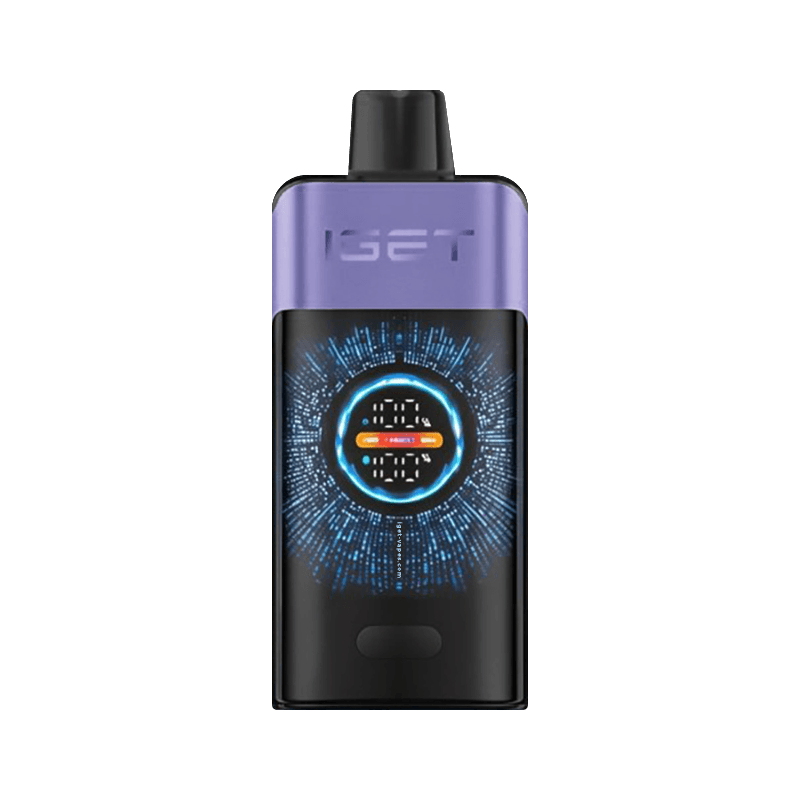
The disconnect between what the law mandates and what consumers prefer creates a distinct market comparison. On one side, we have the “Pharmacy Grade” devices: often low-power, unflavored or tobacco-flavored, and expensive. On the other side, we have global market leaders like the Alibarbar Vapes series.
In 2026, the performance gap is undeniable. A typical pharmacy vape might offer 600 to 1,000 puffs with a basic coil system. In contrast, devices like the Alibarbar Ingot utilize advanced mesh coil technology and high-capacity batteries to deliver consistent flavor profiles that therapeutic devices simply cannot match. This technological disparity is a primary reason why the black market continues to thrive despite the ban; the regulated products often fail to satisfy the cravings of long-term vapers. Even brands like Al Fakher are often cited by users as superior alternatives to the limited pharmacy selection.
Real Stories: 4 User Case Studies
To understand the human impact of the australia vape ban explained in practice, we interviewed four individuals navigating this system in 2026.
1. The Ex-Smoker: Sarah, 42
“I switched to vaping five years ago to quit a pack-a-day habit. When the ban hit hard in 2026, I tried the pharmacy vapes. They were weak and leaked constantly. I eventually found access to Alibarbar Ice Adjust devices. The ability to control the airflow made all the difference. I’m terrified of going back to cigarettes if my supply is cut off.”
2. The Budget Student: Mike, 24
“The pharmacy prices are insane. They want $40 for a device that lasts two days. I did the math, and buying a high-capacity device like the Alibarbar Upload saves me nearly $100 a month. The ban essentially taxes the poor the hardest.”
3. The Rural Resident: Dave, 55
“Living in the outback, I don’t have a pharmacy next door. Telehealth is okay, but shipping takes weeks. I rely on devices with massive puff counts, like the Alibarbar 25000 Puffs, because I need something that lasts a month or more. The ban doesn’t account for accessibility issues in rural Australia.”
4. The Flavor Enthusiast: Jessica, 29
“The government thinks flavors attract kids, but I’m nearly 30 and I hate the taste of tobacco. That’s why I quit smoking! Being forced to vape ‘tobacco flavor’ is counter-intuitive. I stick to brands like Alibarbar because the fruit profiles actually keep me away from cigarettes.”
Top Rated Devices and Purchase Guide
Navigating the market in 2026 requires knowing which devices offer the best reliability and longevity. Based on current global standards and user feedback, here are the top four recommendations for those seeking quality.
1. Alibarbar Ingot 9000
Best For: Daily Reliability
The Ingot series is renowned for its robust build quality. It features a unique metallic finish and a consistent draw that mimics the sensation of smoking, making it ideal for recent switchers. Its 9000-puff capacity ensures you aren’t constantly searching for a replacement.
2. Alibarbar Rich 10000
Best For: Flavor Intensity
For those who find pharmacy vapes bland, the Alibarbar Rich utilizes a specialized cotton wicking system that saturates the coil perfectly. This results in a deeper, more nuanced flavor profile that lasts until the very last puff.
3. Alibarbar Days 12000
Best For: Longevity
As the name suggests, the Alibarbar Days is designed to last for days on end. It includes a digital display showing battery and liquid levels—a feature notably absent from regulated therapeutic devices. This transparency helps users manage their consumption effectively.
4. Alibarbar 25000 Puffs (The Titan)
Best For: Heavy Users & Rural Vapers
This is the heavyweight champion of 2026. With an enormous capacity, this device is a logistical lifesaver for those who cannot visit a shop frequently. It represents the pinnacle of disposable technology, offering substantial value per puff.
2026 Market Statistics
Frequently Asked Questions
Medical Disclaimer & Methodology
Disclaimer: The content provided in this article is for informational purposes only and does not constitute medical or legal advice. Vaping laws in Australia are subject to rapid change. Always consult official government sources such as the Therapeutic Goods Administration (TGA) or the Department of Health for the most current legal requirements. Nicotine is an addictive substance.
Data Methodology: Market statistics and user satisfaction ratings mentioned in this article are based on aggregated 2026 industry reports, consumer surveys from independent vaping advocacy groups, and comparative price analysis between pharmacy listings and international retailers.
About the Author
Dr. Marcus Thorne
Senior Policy Analyst & Harm Reduction Specialist
Dr. Thorne is a veteran researcher with over 15 years of experience in public health policy and nicotine delivery systems. He specializes in analyzing the intersection of legislation and consumer behavior, providing deep insights into the global vaping landscape.