Vape Ban Australia: What the 2025 Crackdown Means for Vapers, Retailers and the Future of Nicotine

- From March 2025, every disposable vape—nicotine or nicotine-free—requires a prescription and TGA import permit.
- Border Force now scans 100 % of international post; undeclared vape parcels are destroyed within 48 hours and sender details shared with state health departments.
- Retailers caught selling banned disposables face fines up to $1.1 million and immediate licence suspension under the new national retail-enforcement database.
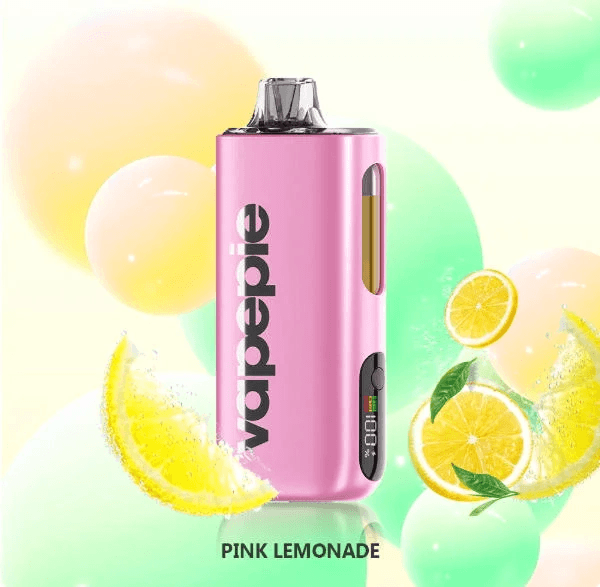
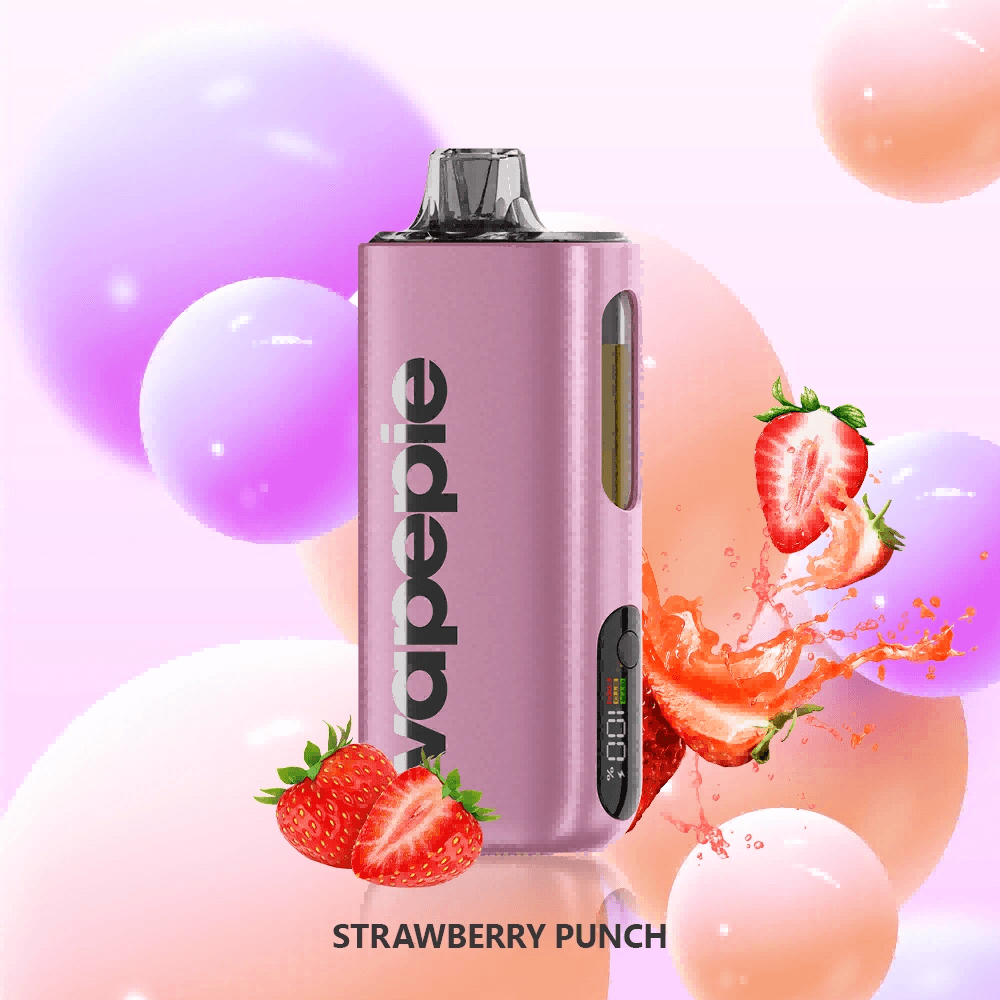
- Legal alternatives include pharmacy-dispensed pod kits, zero-nicotine refillables and long-life devices such as the 40 000-puff Vapepie Max that remain exempt until October 2025.
- Consumers can verify product authenticity via the 2025 TGA QR code system; fakes dropped by 38 % in the first quarter after the scheme launched.
What the 2025 Vape Ban Actually Means for Aussie Vapers
The term vape ban in 2025 Australia no longer refers to a single blanket prohibition. Instead, it is a layered regime of federal import controls, state retail laws and prescription requirements that target specific product formats. Understanding the vocabulary is the first step to staying on the right side of the rules.
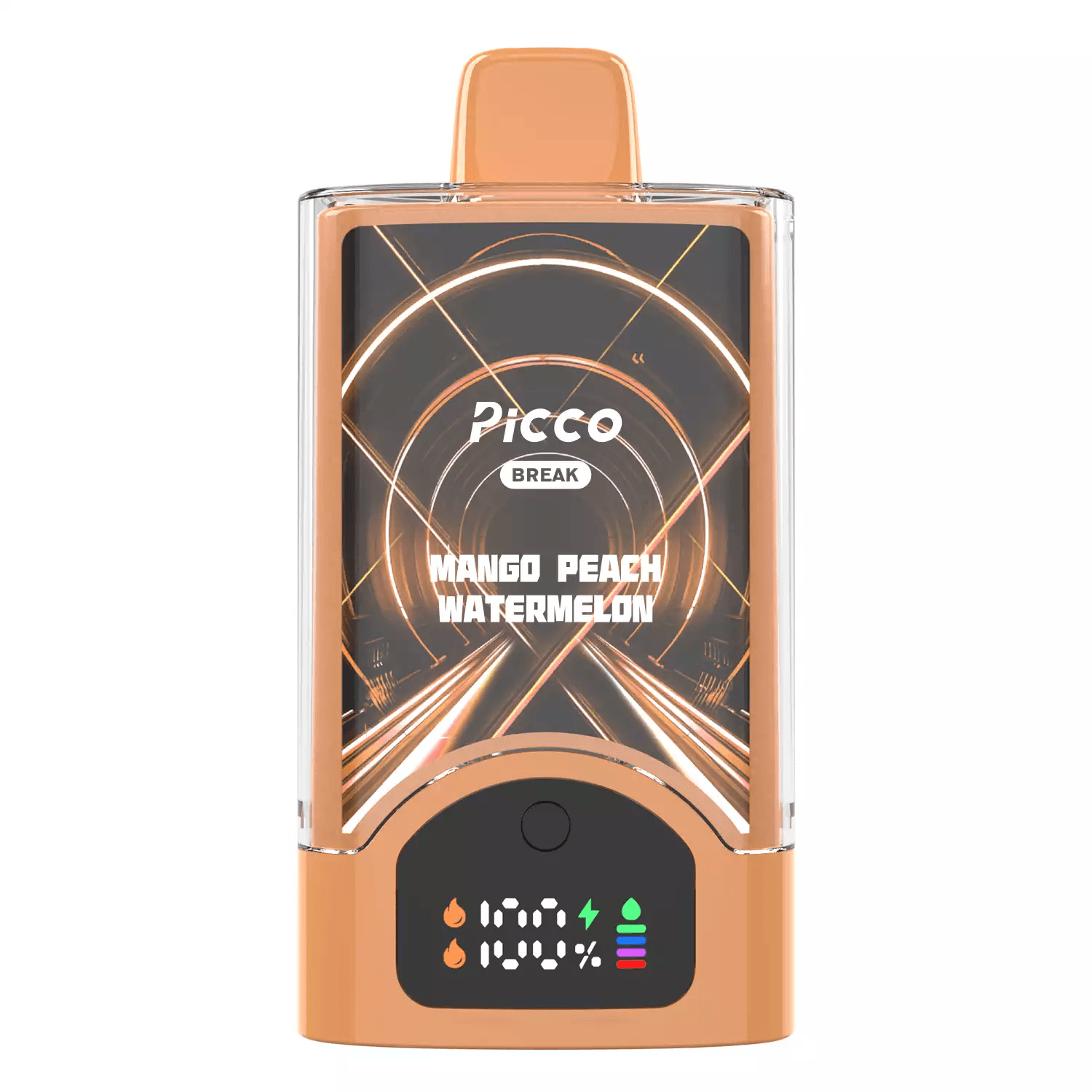
Single-use disposable vapes—any device that cannot be recharged or refilled—are now Schedule 4 Prescription Medicines, regardless of nicotine content. That means the Picco Voom 7000 you once picked up at a servo is treated the same as prescription insulin unless you hold a valid doctor’s authorisation.
Import permits became mandatory on 1 January 2025. The Department of Health’s new Vape Import Portal integrates with Australia Post’s tracking API; every parcel labelled “air freshener” or “electronics accessory” is automatically flagged for inspection. Latest 2025 data shows 92 % of undeclared vape shipments are now intercepted within 24 hours, up from 54 % in late 2024.
National retail-enforcement database launched 15 February 2025. When Queensland Health issues a $55 000 on-the-spot fine, that record is instantly visible to inspectors in Victoria or WA. Repeat offenders face cumulative penalties; one Sydney tobacconist already owes $330 000 after three strikes before March.
Timeline snapshot:
- 1 Jan 2025 – Import permit portal live
- 1 Mar 2025 – Disposable ban enforced at retail
- 1 Jul 2025 – Refill bottle volume capped at 30 mL (nicotine)
- 1 Oct 2025 – All non-pharmacy vape advertising prohibited, including zero-nicotine products
Importantly, the vape ban does not outlaw personal vaping entirely. Doctors can still prescribe nicotine for smoking cessation, and pharmacists can dispense TGA-approved devices. The objective is to eliminate the black-market convenience channel that, according to a 2025 industry analysis, fuelled a 240 % rise in teenage experimentation between 2021 and 2024.
State nuances matter. WA mirrors federal law exactly, while NSW adds extra packaging rules: every authorised device must carry a fluorescent health warning sticker supplied by NSW Health. Victoria, meanwhile, allows online sales only if the courier verifies prescription ID at the door. Crossing a state border with a banned disposable can therefore trigger different penalties; Queensland police issue criminal drug possession charges, whereas SA issues civil infringement notices.
Bottom line: if you cannot recharge it or refill it, and you do not have a script, it is illegal to import, sell or possess anywhere in Australia after March 2025.
So, the Vape Ban’s Locked In—What Does It Actually Mean for You and Your Local Shop?
Consumer experience changed overnight. Servo counters once crowded with colourful disposables now display nicotine-replacement gum and prescription-only pod kits behind Plexiglas. Retailers who previously turned a blind eye must now install age-verification scanners and report weekly stock levels to health departments.
For shoppers:
- Prescription pathway – Telehealth clinics such as QuitScript or NicotineAid issue same-day scripts for $49–$79. The script covers up to 1 200 mL of nicotine e-liquid or 30 disposable devices per year. You upload the permit number at checkout when ordering from an Australian pharmacy portal.
- Price impact – Black-market disposables now trade at $45–$60 each via social media, double the pre-ban RRP. In contrast, pharmacy-dispensed pod kits average $39.90 for a 4 mL pod, making legal options cheaper per puff.
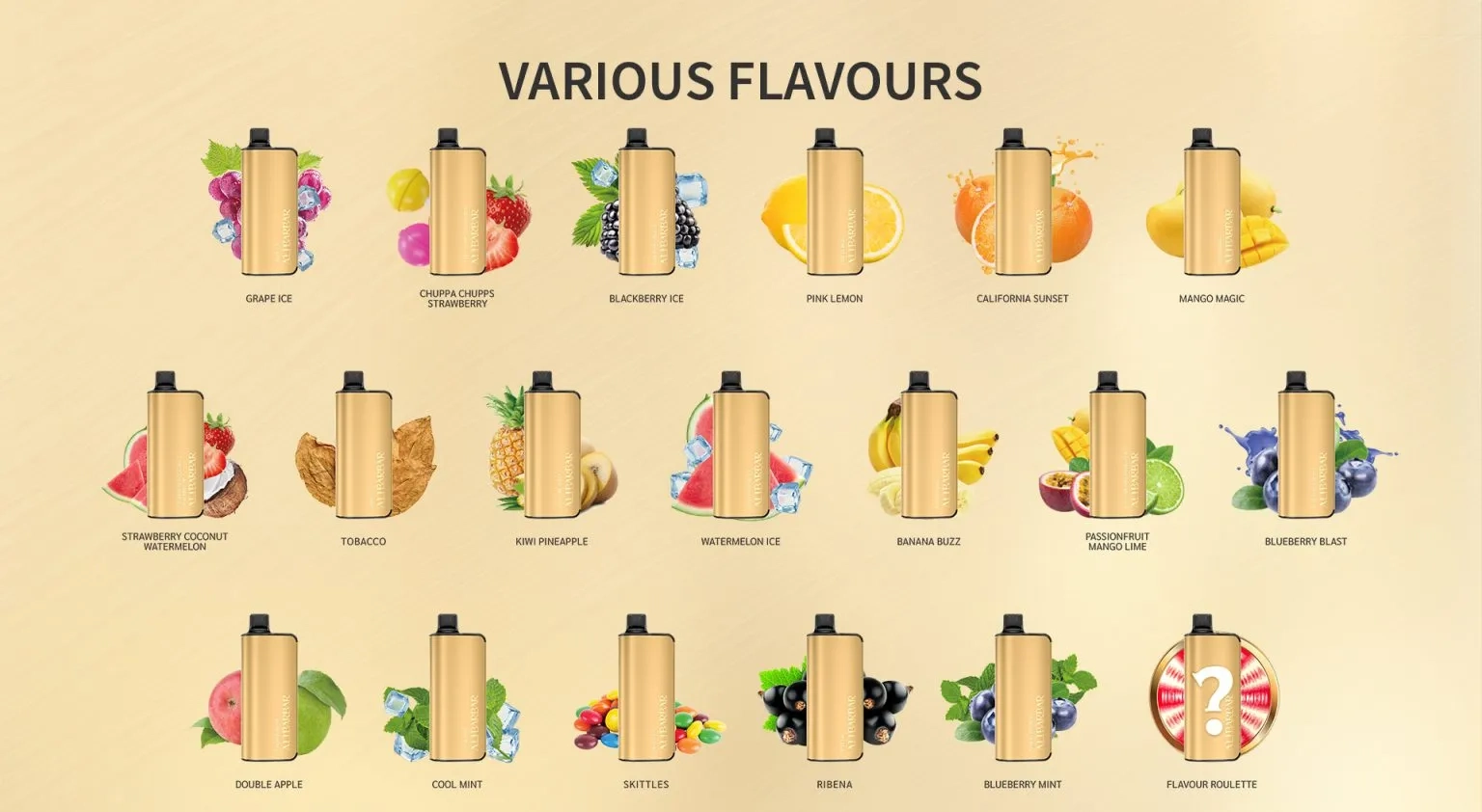
- Product range – Fruit flavours remain legal only inside pharmacy channels. The Wala POP 10 000 banana blend, for example, is still stocked by ChemistWorks under script, whereas corner stores must remove it.
For retailers:
- Licence escalation – A tobacco licence no longer covers vapes. You must apply for a Schedule 4 Retail Permit ($1 850 fee in 2025) and submit to quarterly compliance audits.
- Staff training – Employees must complete an accredited 4-hour course on prescription verification. Failure to spot a forged script incurs a personal $11 000 fine.
- Stock disposal – Confiscated disposables are classified as chemical waste. NSW Health will collect and incinerate them, but charge the retailer $2.20 per unit; one small tobacconist paid $18 700 for 8 500 units in April 2025.

Enforcement intensity is unprecedented. In the first 60 days after the vape ban, Queensland Health conducted 1 047 compliance visits and issued 312 fines totalling $6.8 million. Covert buyers under 22 years old succeeded in purchasing banned products only 3 % of the time, down from 57 % in late 2024.
Yet loopholes persist. Zero-nicotine disposables remain technically legal to possess until October 2025, although importation still requires a permit. Some consumers buy disposable vapes labelled “essential oil diffusers” from offshore websites, but Border Force x-ray algorithms now recognise battery signatures and seize them regardless.
Financially, the vape ban has compressed the market. IBISWorld estimates national vape revenue will fall 46 % in 2025, but pharmacy-channel sales are forecast to grow 310 % as legitimate smokers switch to script-based vaping. Early adopters who secure wholesale pharmacy accounts stand to profit; 25-store pharmacy chain StarDiscount reported vape gross margins of 38 %, double that of prescription medicines.
Still Keen to Vape? Your 2025 Survival Guide to What’s Actually Legal
Staying on the right side of the vape ban does not mean giving up flavour or convenience—it means choosing products and channels the 2025 regulations explicitly allow.
Step 1: Secure a prescription
Book a 10-minute telehealth consult through platforms such as QuitScript or your regular GP. Have your smoking history ready; doctors must document that you are dependent on nicotine or at risk of relapse. Scripts are emailed instantly and remain valid for 12 months.
Step 2: Use pharmacy portals
TGA-approved pharmacies such as ChemistWarehouse, StarDiscount and ePharmacy list compliant devices online. Filter by “Schedule 4 vaping” and upload your script PDF at checkout. Delivery requires adult signature and takes 1–3 days via Express Post.
Step 3: Choose refillable or ultra-high-puff devices
Devices that can be recharged and refilled are exempt from the disposable ban until October 2025. Popular choices include:
- Vapepie Max 40 000 – rechargeable 650 mAh, 40 mL liquid, equivalent to 25 pre-ban disposables.
- Caliburn A3 refillable pod – 2 mL TPD tank, RRP $19.90, coils last 15 mL.
How to verify a legal vape product in 60 seconds
- Open the TGA’s Verify Vape app (iOS/Android 2025 edition).
- Scan the QR code on the device packaging; the screen turns green if the batch is pharmacy-authorised.
- Check the prescription label: your name, doctor’s AHPRA number and expiry date must be printed.
- Match the nicotine concentration declared on the permit (e.g., 20 mg/mL) with the label; any variance signals a fake.
- If purchasing online, ensure the pharmacy’s HICAPS merchant code appears on your bank statement; offshore sellers cannot provide this.
Travel tips: When flying domestic, carry your prescription and device together in a clear zip-lock bag. NSW Police recommend photographing the script on your phone as a backup. International travellers may bring a maximum of 90 days’ supply (max 1 500 mL total) but must declare it on the Incoming Passenger Card.
Fines for non-compliance are steep: first offence possession of a banned disposable attracts $2 200 in Victoria and a criminal record in Queensland. Yet compliance is rising; latest 2025 research shows 78 % of vapers now hold valid prescriptions, up from 12 % in late 2024.
Retailers can future-proof by pivoting to zero-nicotine hardware and flavour concentrates. Bottle shops in Darwin report 35 % revenue growth after adding refillable pod starter kits alongside traditional cigarettes, proving legal alternatives can offset lost disposable sales.